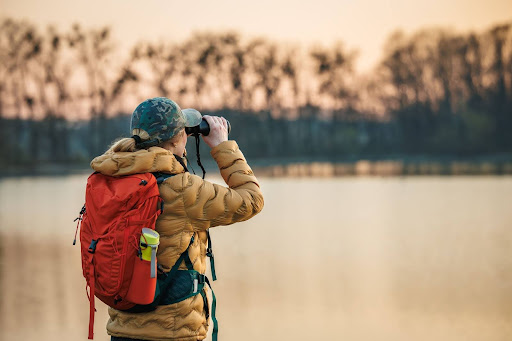
Wilson Lake, Alabama, is well known for its scenic spots and hidden gems, expansive waterway for boating, and great fishing, but it’s also a birdwatcher’s paradise.
Whether you simply enjoy slowing down and noticing wildlife around you or you’re a dedicated birder who plans outings around migration and habitat, Wilson Lake is home to hundreds of both common and rare species throughout the seasons.
In this article, you’ll learn why Northern Alabama is a popular region for birds (and people) to flock to, what species you may see, and the best spots and seasons to spot them.
Take notes and grab your camera (we’re passing along some wildlife photography tips, too), we’re about to tell you yet another top reason to call Peninsula at Wilson Lake home!
Why Wilson Lake is a Popular Birdwatching Destination in North Alabama
Birdwatchers love North Alabama because no matter the season, it’s heavily populated with a wide variety of birds. Some are common, some are rarer and region-specific.
Bald Eagles are known to soar the skies all year (especially in winter), and many people come here hoping to see iconic winter waterfowl like the Sandhill Crane, or an extremely rare glimpse of the endangered Whooping Crane.
One reason birds flock here in such high numbers is that our region provides an environment that supports both resident and migratory species year-round.
Wilson Lake sits along the Tennessee River corridor, where open water, wetlands, wooded shorelines, nearby fields, and protected public land come together. These landscapes provide birds with consistent food, shelter, and resting areas.
Wilson Lake is also located along the Northwest Loop of the North Alabama Birding Trail. Several birding sites around the lake are included along this route, which was designed to connect areas where birds reliably gather due to habitat.
That proximity puts several birding sites around the lake on a path that birders already use and return to regularly, including areas near the dam, wetlands, and wooded sections of the shoreline.
What Birds Can You See Around Wilson Lake Throughout the Year?
Wilson Lake offers year-round birdwatching, with a mix of resident species that stay year-round, migratory birds that pass through in spring and fall, and waterbirds that concentrate in winter.
Year-Round Raptors and Large Birds
These birds are regularly observed around the lake year-round. Raptors, in particular, use the river corridor and open water year-round.
- Bald Eagle
- Red-tailed Hawk
- Turkey Vulture
- Great Blue Heron
- Double-crested Cormorant
Common Gulls and Water-Associated Birds
Gulls and waterbirds can be abundant, especially during cooler months when they concentrate near open water and dam sites, but may be seen year-round depending on conditions.
- Ring-billed Gull
- Herring Gull
- Bonaparte’s Gull
Typical Woodland and Neighborhood Birds
These are common birds in wooded and residential edges. Most are present fairly regularly, though some shift numbers seasonally.
- Northern Cardinal
- Carolina Wren
- Carolina Chickadee
- Tufted Titmouse
- Blue Jay
- Northern Mockingbird
- Red-bellied Woodpecker
- Downy Woodpecker
Common Open-Field and Edge Species
Species in this group can be present much of the year, but may fluctuate in numbers with migration and local habitat conditions.
- Eastern Meadowlark
- Red-winged Blackbird
Common Breeding and Seasonal Songbirds
These species are more closely tied to specific seasons, especially spring and summer breeding periods, and are most noticeable when they are active for nesting and feeding young.
- Eastern Bluebird
- American Robin
What Rare Bird Species Are Native to Wilson Lake?
Wilson Lake occasionally hosts species moving through during migration, wintering birds drawn to open water, and habitat specialists that appear when conditions are right.
These birds are not guaranteed sightings, but are well documented in the area and often the reason more experienced birders birdwatch here.
Less Common Raptors and Specialty Birds
- Swallow-tailed Kite (rare, but occasionally reported during warmer months)
- Northern Harrier (most often seen in open fields during winter)
- Short-eared Owl (infrequent, typically tied to winter field habitat)
- Osprey (most often seen during migration)
Less Common or Habitat-Specific Songbirds
You won’t likely see these species in your backyard or other casual viewing spots because they rely on specific habitat conditions and are far less tolerant of human activity. To see them, you will need to birdwatch in targeted woodland, grassland, or riparian habitats highlighted along the North Alabama Birding Trail.
- Cerulean Warbler (spring migration and breeding season)
- Hooded Warbler (breeding season and spring migration)
- Kentucky Warbler (breeding season in wooded habitat)
- Worm-eating Warbler (spring migration and breeding season)
- Bachman’s Sparrow (localized, tied to grassland habitat)
- Grasshopper Sparrow (most often observed during breeding season)
- Dickcissel (irregular, typically during breeding season)
Migratory Waterbirds and Shorebirds
During spring and fall migration, when conditions are favorable, wetland areas near Wilson Lake, including marshes and shallow agricultural fields, can briefly serve as active feeding and resting grounds for birds moving through the region.
When water levels expose mudflats or shallow edges, these stopover sites attract a rotating mix of species as migration progresses.
-
- Various sandpipers and yellowlegs (primarily during spring and fall migration)
- Other wading birds (seasonal, water-level dependent)
- Whooping Cranes (not native and extremely rare, but have been spotted at the Wheeler National Wildlife Refuge, primarily in late December and January)
Winter Waterbirds
As their name suggests, these species are typically observed during colder months. Your best chance of spotting is on open stretches of water connected to the Tennessee River rather than along sheltered coves.
Timing, water levels, and weather patterns all play a role, with colder temperatures, stable winter water levels, and increased open water drawing birds into more visible areas.
- Common Loon (winter)
- A variety of ducks (winter)
- Occasionally, less common waterfowl on larger open water (winter, irregular)
When Is The Best Time Of Year For Birdwatching At Wilson Lake?
You can birdwatch year-round at Wilson Lake, Alabama. The best time depends on what species you hope to see. We get all four seasons here (another perk of our region), and with them come changes in wildlife.
Spring Migration (late March through May)
Spring months bring the highest overall diversity of bird species. This is when a wide variety of migratory birds move through wooded areas and along creek corridors, often stopping briefly to feed and rest before continuing north.
Fall Migration (early September through early November)
As the days get shorter and temperatures begin to cool down, another strong window opens for birdwatching at Wilson Lake, particularly if you are hoping to see songbirds and water-associated species. Shoreline areas and open water near the dam can host mixed flocks of gulls and waterbirds as migration progresses.
Winter (late November through February)
The colder months in Northern Alabama are ideal for birdwatching. Gulls concentrate below the dam, waterfowl gather on larger stretches of the lake, and Bald Eagles are more visible and easier to observe.
Breeding Season (late April through July)
Breeding season is an interesting time to birdwatch because birds are more vocal and easier to locate. Territorial songbirds are actively singing to defend nesting areas and attract mates. Wooded and riparian habitats are especially active during this period.
Patient observers may notice nesting behavior and adults carrying food, offering a closer look at how birds use the landscape during this critical time.
Where Are The Best Birdwatching Spots Around Wilson Lake?
One of the advantages of birdwatching at Wilson Lake is that you don’t always have to leave your home. At Peninsula at Wilson Lake, many common and seasonal birds can be seen right from your porch or windows overlooking the water.
For those who want to explore further, several nearby public access points are consistently productive and are recognized within regional birding guides for their habitat diversity and seasonal activity.
Wilson Dam
Wilson Dam is one of the most well-known birdwatching spots in the area, especially during cooler months. Large numbers of gulls gather below the dam, joined by herons, cormorants, Bald Eagles, and other fish-eating birds drawn to the turbulent tailwaters.
Tennessee Valley Authority Reservation
The Tennessee Valley Authority (TVA) manages publicly accessible lands and recreational areas across the broader Tennessee Valley region, including several in North Alabama. These areas have woodlands and open fields that support a wide diversity of bird species.
Town Creek Marsh
When water levels are favorable, this small wetland area is known for hosting rails, wading birds, and other marsh specialists, particularly during migration or wetter periods.
Leighton Ponds
Located east of the lake, Leighton Ponds includes shallow ponds and nearby agricultural fields. During migration, it can attract shorebirds, waders, and ducks, especially when exposed mudflats are present.
Natchez Trace Parkway (Colbert Ferry)
Spanning 444 miles through three states (including Alabama), the Natchez Trace Parkway offers many opportunities for bird sightings. Colbert Ferry in Alabama is one of the best spots on the parkway to spot varying species of waterbirds.
Wheeler National Wildlife Refuge
About an hour east of Wilson Lake, Wheeler National Wildlife Refuge is one of the most significant birdwatching destinations in the region. The refuge is part of the North Alabama Birding Trail and is nationally recognized for supporting large concentrations of waterfowl, shorebirds, cranes, and wading birds, particularly during migration and winter months.
How to Create a Bird- and Pollinator-Friendly Backyard at Your Peninsula at Wilson Lake Home
Having a lakefront home at Peninsula at Wilson Lake means wildlife is already part of your surroundings. But with a few simple additions, you can make your backyard even more inviting to local birds and pollinators.
- Incorporate native landscaping: If you want birds to see your yard as a usable habitat rather than just passing through, add a few native plants.
- Provide water sources: Birds are drawn to reliable water sources, especially during warmer months or extended dry periods. A shallow birdbath or small water feature can quickly attract activity.
- Create a natural shelter: You don’t need to purchase a store-bought birdhouse. In many cases, natural shelter works better, such as shrubs, layered plantings, and leaving parts of the landscape slightly less manicured. Be sure to limit pesticides to support insects, which are an important food source for many birds.
Wildlife Photography Tips for Residents at Wilson Lake
With so much year-round wildlife right outside your door, there are plenty of opportunities to capture memorable moments.
Wilson Lake’s open water, shoreline views, and changing light already create strong natural conditions for photography, but here are a few practical adjustments that can make your wildlife photos even better.
- Use time of day to your advantage: Early morning and late afternoon are prime times for wildlife photography. Birds are more active, the light is softer, and glare off the water is reduced.
- Use burst mode and continuous focus: Turning these features on can significantly increase your chances of getting a sharp photo, especially when birds are moving.
- Consider proximity: Birds can be skittish. Staying in one spot and keeping distance often works better than trying to get close. That said, physically positioning yourself closer can produce better results than relying on digital zoom. If you decide to get close, always respect wildlife, maintain a safe distance, avoid nests, and stay on established paths.
- Pay attention to the background: Water, sky, and shoreline can either enhance a photo or distract from it. Adjust your position to avoid harsh backlighting or cluttered backgrounds, especially when shooting near open water or wooded edges.
- Follow the rule of thirds: Placing your subject slightly off-center often creates a more natural, visually balanced image, making the photo feel less static and more engaging.
- Pan with movement: Gently pan your phone or camera with the bird’s movement to keep the subject sharper while adding motion to the background.
Surround Yourself With Calming Sounds of Nature at Peninsula at Wilson Lake
If you are looking for a peaceful place to call home in Northern Alabama, life at Peninsula at Wilson Lake offers a setting where nature is part of your everyday surroundings.
Birdwatching is one of the many ways residents connect with nature, slow down, and enjoy a quieter pace of life that boosts mental health. On a chilly winter morning, you might spot a Bald Eagle soaring over the lake. In the spring, migration brings a surge of variety. And no matter the season, birds like Blue Jays and Northern Cardinals are a consistent presence.
Birdwatching is just one more way our community blends natural beauty with everyday living, and one more reason people who love the outdoors feel at home here.