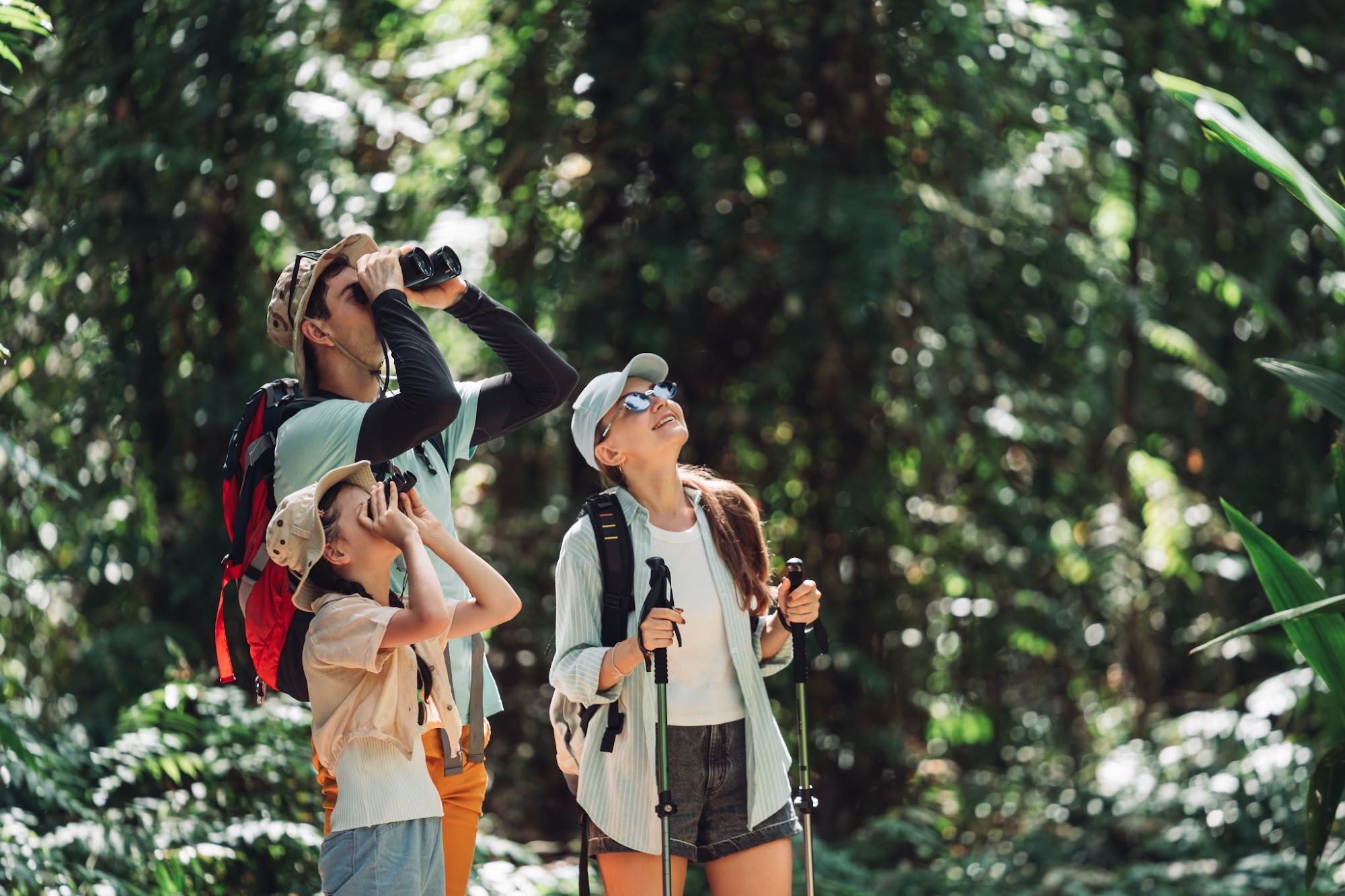
One of the best things about Wilson Lake, and why people are building lake homes at Peninsula at Wilson Lake, is how the landscape changes all four seasons.
In this guide, you’ll learn what’s blooming and changing all year, the best trails and nature walks to see wildflowers, native plants, and fall foliage, and tips for photographing nature and planting seasonal flora at your Wilson Lake home.
Month-by-Month: When Wildflowers Bloom and Fall Foliage Peaks in North Alabama
From the first spring wildflowers and colorful summer blooms to vibrant fall foliage and native witch hazel lingering into early winter, North Alabama’s landscape is rarely still.
| Month | Blooms and Seasonal Changes |
|---|---|
| January | Most native wildflowers are dormant and deciduous trees are largely bare. |
| February | Round-lobed hepatica can begin to bloom, but most of the landscape remains dormant. |
| March | Spring growth begins with early woodland wildflowers, such as hepatica, Dutchman’s breeches, trout lily, eastern shooting star, Virginia bluebells, and eastern blue phlox. |
| April | Trees leaf out and more native flowers begin to bloom, including spring beauty, eastern blue phlox, jack-in-the-pulpit, cutleaf toothwort, mayapple, wild geranium, and eastern columbine. |
| May | The landscape shifts to late spring. Common milkweed, purple coneflower, and some black-eyed Susans begin to bloom. |
| June | Milkweed, purple coneflower, rattlesnake master, and black-eyed Susan are in bloom as summer begins. |
| July | Purple coneflower and rattlesnake master continue. White wood aster begins its late-summer bloom. |
| August | Cardinal flower, Maryland golden aster, goldenrods, and later-blooming black-eyed Susans join other late-summer blooms. |
| September | Goldenrods, asters, cardinal flower, and rattlesnake master may still be blooming as the first hints of fall color appear. |
| October | Goldenrods and asters continue, witch hazel begins blooming, and fall foliage enters peak with increasingly vibrant colors. |
| November | Witch hazel continues blooming. Peak foliage can sometimes linger before leaf drop increases. |
| December | Deciduous trees become largely bare, but some witch hazel may continue to bloom. |
Spring and Summer Wildflowers in North Alabama
North Alabama is home to a wide variety of wildflowers. Here are a few native to the region and how to recognize them.
- Trillium: Recognized by its distinctive three-leaf structure and three-petaled flowers. Several species exist, but Little Sweet Betsy is the most common in North Alabama.
- Round-lobed hepatica: A small woodland flower with white, pale blue, lavender, or pink blooms that sit just a few inches above the ground.
- Dutchman’s breeches: White flowers that hang from arching stems, resembling tiny upside-down pantaloons.
- Eastern blue phlox: Loose clusters of blue to violet flowers with five flat, notched petals.
- Eastern columbine: Often found in partly shaded areas and easy to spot by its unusual red-and-yellow flowers and delicate form.
- Purple coneflower: One of the more familiar summer natives, with pink-purple petals surrounding a raised central cone.
- Rattlesnake master: A much different-looking summer wildflower with tall stems, stiff foliage, and rounded flower heads.
- Cardinal flower: Vivid red blooms that are often found in wetter areas such as stream banks.
Other spring and summer blooms documented across North Alabama include trout lily, Virginia bluebells, spring beauty, shooting star, rue anemone, mayapple, jack-in-the-pulpit, cutleaf toothwort, wild geranium, butterfly milkweed, and black-eyed Susan.
Popular Paths Rich In Spring and Summer Blooms Near Peninsula
TVA Muscle Shoals Reservation Trails
TVA’s Muscle Shoals Reservation is a must-visit trail complex with roughly 17 miles of paved and primitive paths for walking, hiking, and biking. Built by the Civilian Conservation Corps (CCC) in the 1930s, Rockpile Trail is a well-known path that combines local history with a variety of spring wildflowers along the river bluffs and shoreline.
Old First Quarters is another historic trail with plant diversity. The easy, shaded path follows small feeder creeks through moist habitat with a wide variety of wildflowers and ferns, including Dutchman’s breeches, trilliums, toothwort, and even walking fern, which is a rarity in Alabama. Near the trail, you can also walk through the Whitey Hall Memorial Native Plant Garden, where you’ll find many species labeled for identification.
Waterfall Walk is a short, ADA-accessible trail also worth visiting, offering views of Wilson Dam, the Tennessee River, limestone bluffs, and waterfalls.
Cane Creek Canyon Nature Preserve
Cane Creek Canyon Nature Preserve is known for its interesting history and rich biodiversity, with varied canyon terrain and aquatic corridors that provide habitat for a wide variety of plants and wildlife.
A couple originally owned the property privately and spent decades expanding and creating its trails before donating it to the Land Trust of North Alabama in 2023. It is now a public, protected, 693-acre nature preserve with 25.7 miles of trails through wildflower areas, waterfalls, creeks, rock formations, and canyon overlooks.
Boulder Garden Wildflower Area and Coneflower Glade are popular stops. The trail system also leads to pioneer cabin sites and other cultural and archaeological features.
Fall Blooms and Changing Colors in North Alabama
Fall is a special season at Wilson Lake. Trees begin their annual transformation overhead while late-blooming wildflowers keep the color going below.
Some of the native fall blooms and foliage around the region include:
- Goldenrod: Several native species bloom in fall, producing clusters of small, bright yellow flowers that stand out in sunny, open areas.
- Calico aster: Small white flowers with centers that start yellow and fade toward purple as they mature.
- White wood aster: A shade-loving native with clusters of small white, daisy-like flowers that can continue blooming into October.
- Common witch hazel: One of the year’s latest bloomers, with distinctive yellow, ribbon-like petals that can remain into December.
- Fall foliage: Sweetgums, maples, hickories, oaks, yellow poplars, dogwoods, and other hardwoods bring shades of yellow, vibrant reds, and deep orange as fall progresses.
Other plants add more seasonal color. Cultivated favorites such as Autumn Joy sedum present their red flower clusters across the region. Red-toned fruit, like coralberry and sumac, are in the region, often lingering after the leaves drop.
Top Spots for Fall Foliage and Nature Walks
Spring Park and Coldwater Falls
In the heart of Tuscumbia, Spring Park has plenty of paths for a scenic fall walk, but its most popular feature is Coldwater Falls. The 42-foot man-made waterfall is surrounded by large shade trees that turn gold, orange, and red, framing it in seasonal color. A flat, paved walkway runs in front, making it easy to take in the seasonal scenery without committing to a longer hike.
Cane Creek Canyon Nature Preserve
Fall is just as beautiful at Cane Creek Canyon Nature Preserve as spring. Throughout the nearly 700 acres, vibrant shades of gold, orange, and red transform the wooded canyon walls and surround the waterfalls, creeks, and rocky overlooks. The same walking trails you can explore for spring blooms are also walkable in fall. For a more immersive, moderate hike, the main Cane Creek Canyon trail descends about 350 feet from the ridge to the creek, offering a different perspective to view fall colors along the way.
Joe Wheeler State Park
At Joe Wheeler State Park in nearby Rogersville, you can see fall color around the marina, beach, golf course, lodge, and other areas along Wheeler Lake. The park also has about 16 miles of hiking and biking trails, including the one-mile Champion Trail, the 0.6-mile Wheeler River Trail, and several longer routes throughout the property.
Natchez Trace Parkway
To see fall foliage with little to no walking, the Natchez Trace Parkway offers 444 miles of scenic driving through Tennessee, Alabama, and Mississippi. Much of the color is visible from the road and pullouts, but scenic overlooks and short trails are also available.
Rock Spring Nature Trail at milepost 330.2 is a relatively flat, short loop through the woods and along a spring-fed stream. Freedom Hills Overlook at milepost 317 requires a short, steep uphill hike but rewards you with a beautiful view across the hardwood forest.
Photo Tips for Capturing Wildflowers and Fall Colors
From a single wildflower to a wide view of fall color across the lake, nature photography is all about noticing the right light, angle, and details.
Tips for close-up nature shots:
- Look for soft, even light. Overcast skies or open shade reduce harsh shadows and capture natural colors better.
- Get closer and change your angle. Shooting at the flower’s level can reveal details you’d miss from above.
- Pay attention to your background. Wildflowers often grow among leaves, grasses, and other plants. Move if needed to isolate a bloom or cluster.
- If it’s windy, wait for it to calm down. Even a light breeze can blur a close-up shot.
Tips for wider nature and landscape shots:
- Shoot during the “golden hour” just after sunrise or before sunset for low-angle light that adds depth and dimension.
- Anchor the scene by focusing on one element, such as a colorful tree, shoreline curve, trail, bluff, or reflection, rather than letting all the scenery compete for attention.
- Use natural framing, such as trees, trails, or rock formations, to guide the eye through the photo.
- Look for reflections. Calm water can mirror fall color for a more unique capture.
- Use a polarizing filter to reduce glare on water and foliage and deepen color. Rotate the filter carefully if you want to keep a reflection intact.
Whatever you photograph, stay on marked trails and avoid picking or disturbing wildflowers and other native plants just to get a better shot; some areas may prohibit it.
Bringing Nature Home: How to Plant Seasonal Flora
Many of the wildflowers blooming around the Shoals can be planted at home. Take note of your favorites, then research their sunlight, soil, moisture, and space requirements to ensure they have the right environment to thrive.
For spring and summer blooms, purple coneflower, butterfly milkweed, black-eyed Susan, and rattlesnake master are all native options to consider for beds, borders, or less formal areas around your property. For something that carries into the cooler seasons, common witch hazel blooms in fall and can continue into December.
FAQs
When do fall colors peak in North Alabama?
Fall color in North Alabama typically peaks from the second week of October through the first week of November. Exact timing varies with temperature, rainfall, drought, wind, and other seasonal conditions. To see how the season is progressing, check the live Alabama fall foliage map.
Are dogs allowed on wildflower trails?
It depends on the trail or preserve. Always check the individual site’s pet policy before you go. For example, dogs are allowed on Natchez Trace Parkway trails and viewpoints as long as they remain on a leash no longer than six feet.
Is it okay to pick wildflowers on public trails?
Rules vary by land manager, but many protected areas prohibit removing or damaging plants. Alabama State Parks states it is unlawful to disturb, deface, collect, or remove any natural objects from park property, and the TVA strictly prohibits cutting, damaging, or removing vegetation on its public lands.
Are there nature walk clubs or citizen botanist groups around Wilson Lake?
The Alabama Wildflower Society promotes native plant education and conservation, and the Land Trust of North Alabama offers guided hikes and nature programs. You can also check Facebook for local walk clubs and botanist groups or join the free iNaturalist community to connect with naturalists and contribute to citizen science.
What conservation efforts protect wildflower habitats in Alabama?
Wildflower conservation includes protecting natural areas, restoring habitat, monitoring rare plants, and educating the public. The Alabama Plant Conservation Alliance coordinates agencies, nonprofits, researchers, citizen groups, and landowners on native-plant conservation projects, while organizations such as the Land Trust of North Alabama protect habitats locally.
Experience Every Season at Peninsula at Wilson Lake
Wilson Lake’s diverse, year-round flora and all the places to enjoy it are one of many reasons to consider North Alabama for a second home or year-round lake living. If you’re looking for lakefront property, Peninsula at Wilson Lake is a luxury lakefront community under development in Killen, with waterfront homesites and direct access to Wilson Lake.
Contact us for more information, and browse our website for a closer look at our community, including a list of planned luxury amenities, site plans, sample home layouts, and a gallery of home inspiration and lake views from the development. We also have a blog where we regularly post updates about our development and life around Wilson Lake and the surrounding Shoals.